
 한국어
한국어
-
 English
-
 Español
-
 Português
-
 Русский
-
 Français
-
 日本語
日本語
-
 Deutsch
-
 Tiếng Việt
-
 Italiano
-
 Nederlands
-
 ไทย
ไทย
-
 Polski
-
한국어
-
 Svenska
-
 Magyar
-
 Bahasa Melayu
-
 বাংলা
বাংলা
-
 Dansk
Dansk
-
 Suomi
Suomi
-
 हिन्दी
-
 Filipino
-
 Türkçe
-
 Gaeilge
-
 العربية
-
 Bahasa Indonesia
-
 Norsk
Norsk
-
 اردو
اردو
-
 Čeština
-
 Ελληνικά
-
 Українська
-
 Basa Jawa
-
 فارسی
فارسی
-
 தமிழ்
தமிழ்
-
 తెలుగు
-
 नेपाली
-
 မြန်မာ
-
 Български
-
 ລາວ
ລາວ
-
 Latina
-
 Қазақша
-
 Euskera
-
 Azərbaycan
-
 Slovenčina
-
 Македонски
-
 Lietuvių
-
 Eesti
Eesti
-
 Română
-
 Slovenščina

How to Choose the Right Containment System?
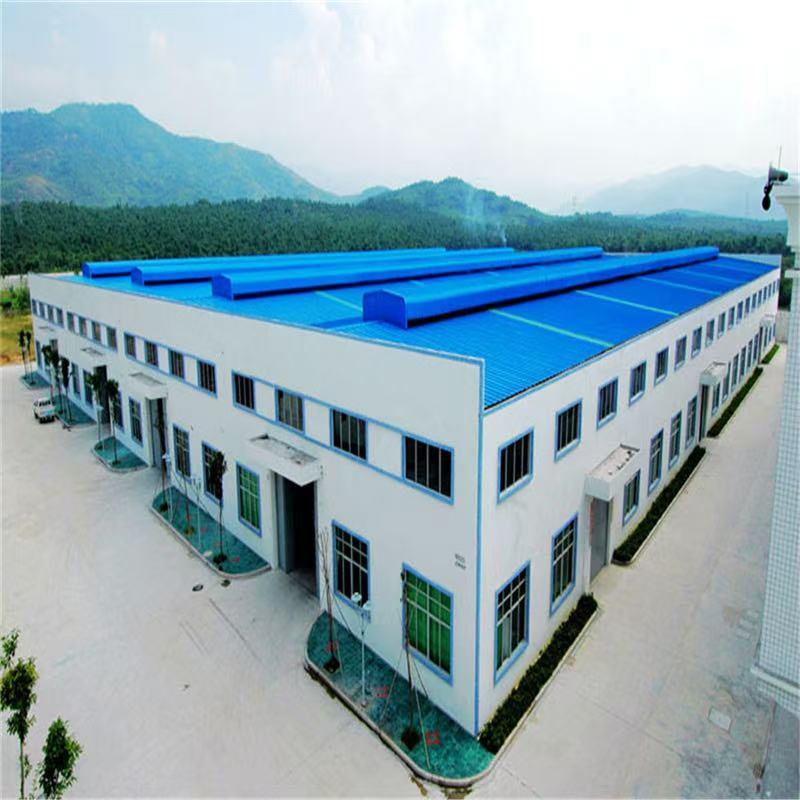
In modern industrial construction, the Containment System serves as the protective envelope of a steel structure facility. It typically includes roofing systems, wall systems, insulation panels, and associated waterproofing components. The performance of the Containment System directly influences a building's thermal efficiency, wind resistance, service life, and overall operating costs. Unlike conventional residential buildings, industrial facilities are subjected to more demanding operating conditions and higher usage intensity. As a result, selecting a Containment System is not simply a matter of choosing individual materials; it requires a comprehensive evaluation of multiple factors. A well-designed Containment System not only improves the working environment within the facility but also helps reduce long-term maintenance and operating expenses.
Drawing on extensive experience from industrial projects across domestic and international markets, HB Steel Structure specializes in the overall planning of steel structure buildings, structural component manufacturing, and integrated Containment System design. Our team understands regional climate variations and industry-specific construction requirements, enabling us to recommend the most suitable wall and roofing system combinations based on production processes, site conditions, and project budgets. The following sections outline five key considerations for selecting a Containment System for steel structure buildings.
I. Define Core Performance Requirements Based on Building Function
The first step in selecting a Containment System is to clearly understand the operational requirements of the facility. Different industries place different demands on building envelope performance.
For example, cold-chain processing plants and chemical production facilities typically require superior thermal insulation, fire resistance, and airtightness. In contrast, general warehouses and light industrial workshops often prioritize ventilation performance and basic corrosion protection. By matching insulation materials, exterior panel systems, and sealing components to the specific operational requirements of the facility, building owners can ensure optimal performance and efficiency throughout daily operations.
Ⅱ. Consider Regional Climate Conditions
Local climate conditions are a critical factor in Containment System selection and should never be overlooked.
In regions exposed to heavy snow loads, high winds, or frequent typhoons, high-strength panel profiles, thicker cladding materials, and reinforced structural support systems are essential for improving roof and wall load-bearing performance and resisting extreme weather conditions.
In hot climates, reflective exterior surfaces combined with advanced insulated core materials can significantly reduce heat gain, helping lower cooling and ventilation energy consumption.
For coastal regions and areas affected by acid rain or corrosive environments, corrosion-resistant cladding materials with enhanced resistance to salt spray and chemical exposure should be prioritized to maximize long-term durability.
Ⅲ. Prioritize Durability to Reduce Long-Term Maintenance Costs
Industrial facilities are long-term assets, making durability one of the most important considerations in Containment System design.
A high-quality Containment System should offer excellent resistance to weathering, corrosion, and aging while remaining easy to inspect and maintain. The exterior surface should resist peeling, leakage, fading, and other forms of deterioration over time.
In addition, standardized system components allow damaged sections to be replaced individually without requiring extensive renovation of the entire envelope system. Over the building's lifecycle, durable materials can significantly reduce maintenance frequency and help facility owners avoid unnecessary repair costs.
IV. Balance Budget Considerations with Performance Requirements
오늘날의 시장은 기존의 단열 강철 샌드위치 패널부터 프리미엄 합금 기반 클래딩 시스템에 이르기까지 다양한 차폐 시스템 옵션을 제공합니다. These solutions vary considerably in both performance and cost.
While high-performance customized systems often provide superior protection and efficiency, they also require higher initial investment. Building owners should avoid both over-specification and excessive cost-cutting. 대신, 내풍성, 방수성, 단열성 등 필수 성능 요구 사항을 우선적으로 고려한 후, 가용 예산 내에서 가장 비용 효율적인 솔루션을 선택하는 것이 좋습니다.
A balanced approach ensures that project objectives are achieved without unnecessary expenditure.
V. Evaluate Installation Efficiency and Construction Practicality
Ease of installation is another important factor that directly impacts project schedules and construction costs.
Modular and standardized Containment System components are well suited for large-scale lifting operations and rapid on-site assembly, significantly reducing construction time and labor requirements.
반대로, 설치 절차가 복잡한 비표준 시스템은 공사 일정을 연장하고 오류 위험을 증가시켜 향후 물 침투 또는 밀봉 실패와 같은 문제를 일으킬 수 있습니다.
운송, 취급, 설치가 용이하고 검증된 제품을 선택하면 효율적인 프로젝트 실행과 성공적인 시설 납품을 보장할 수 있습니다.
Integrating Multiple Factors to Develop the Optimal Containment System Solution
In summary, selecting a Containment System for a steel structure building is a comprehensive decision-making process that requires careful consideration of five key factors: functional requirements, environmental conditions, durability, budget constraints, and construction efficiency.
HB Steel Structure는 산업용 건물 건설 분야의 광범위한 경험을 활용하여 격납 시스템 컨설팅, 구조 최적화, 통합 클래딩 및 패널 제조를 포함한 포괄적인 서비스를 제공합니다. 우리는 전 세계 고객과 긴밀히 협력하여 다양한 산업 및 운영 환경의 특정 요구 사항을 충족하는 비용 효율적인 맞춤형 건물 외피 솔루션을 개발하고 모든 프로젝트에 장기적인 가치와 안정적인 성능을 제공합니다.
Drawing on extensive experience from industrial projects across domestic and international markets, HB Steel Structure specializes in the overall planning of steel structure buildings, structural component manufacturing, and integrated Containment System design. Our team understands regional climate variations and industry-specific construction requirements, enabling us to recommend the most suitable wall and roofing system combinations based on production processes, site conditions, and project budgets. The following sections outline five key considerations for selecting a Containment System for steel structure buildings.
I. Define Core Performance Requirements Based on Building Function
The first step in selecting a Containment System is to clearly understand the operational requirements of the facility. Different industries place different demands on building envelope performance.
For example, cold-chain processing plants and chemical production facilities typically require superior thermal insulation, fire resistance, and airtightness. In contrast, general warehouses and light industrial workshops often prioritize ventilation performance and basic corrosion protection. By matching insulation materials, exterior panel systems, and sealing components to the specific operational requirements of the facility, building owners can ensure optimal performance and efficiency throughout daily operations.
Ⅱ. Consider Regional Climate Conditions
Local climate conditions are a critical factor in Containment System selection and should never be overlooked.
In regions exposed to heavy snow loads, high winds, or frequent typhoons, high-strength panel profiles, thicker cladding materials, and reinforced structural support systems are essential for improving roof and wall load-bearing performance and resisting extreme weather conditions.
In hot climates, reflective exterior surfaces combined with advanced insulated core materials can significantly reduce heat gain, helping lower cooling and ventilation energy consumption.
For coastal regions and areas affected by acid rain or corrosive environments, corrosion-resistant cladding materials with enhanced resistance to salt spray and chemical exposure should be prioritized to maximize long-term durability.
Ⅲ. Prioritize Durability to Reduce Long-Term Maintenance Costs
Industrial facilities are long-term assets, making durability one of the most important considerations in Containment System design.
A high-quality Containment System should offer excellent resistance to weathering, corrosion, and aging while remaining easy to inspect and maintain. The exterior surface should resist peeling, leakage, fading, and other forms of deterioration over time.
In addition, standardized system components allow damaged sections to be replaced individually without requiring extensive renovation of the entire envelope system. Over the building's lifecycle, durable materials can significantly reduce maintenance frequency and help facility owners avoid unnecessary repair costs.
IV. Balance Budget Considerations with Performance Requirements
오늘날의 시장은 기존의 단열 강철 샌드위치 패널부터 프리미엄 합금 기반 클래딩 시스템에 이르기까지 다양한 차폐 시스템 옵션을 제공합니다. These solutions vary considerably in both performance and cost.
While high-performance customized systems often provide superior protection and efficiency, they also require higher initial investment. Building owners should avoid both over-specification and excessive cost-cutting. 대신, 내풍성, 방수성, 단열성 등 필수 성능 요구 사항을 우선적으로 고려한 후, 가용 예산 내에서 가장 비용 효율적인 솔루션을 선택하는 것이 좋습니다.
A balanced approach ensures that project objectives are achieved without unnecessary expenditure.
V. Evaluate Installation Efficiency and Construction Practicality
Ease of installation is another important factor that directly impacts project schedules and construction costs.
Modular and standardized Containment System components are well suited for large-scale lifting operations and rapid on-site assembly, significantly reducing construction time and labor requirements.
반대로, 설치 절차가 복잡한 비표준 시스템은 공사 일정을 연장하고 오류 위험을 증가시켜 향후 물 침투 또는 밀봉 실패와 같은 문제를 일으킬 수 있습니다.
운송, 취급, 설치가 용이하고 검증된 제품을 선택하면 효율적인 프로젝트 실행과 성공적인 시설 납품을 보장할 수 있습니다.
Integrating Multiple Factors to Develop the Optimal Containment System Solution
In summary, selecting a Containment System for a steel structure building is a comprehensive decision-making process that requires careful consideration of five key factors: functional requirements, environmental conditions, durability, budget constraints, and construction efficiency.
HB Steel Structure는 산업용 건물 건설 분야의 광범위한 경험을 활용하여 격납 시스템 컨설팅, 구조 최적화, 통합 클래딩 및 패널 제조를 포함한 포괄적인 서비스를 제공합니다. 우리는 전 세계 고객과 긴밀히 협력하여 다양한 산업 및 운영 환경의 특정 요구 사항을 충족하는 비용 효율적인 맞춤형 건물 외피 솔루션을 개발하고 모든 프로젝트에 장기적인 가치와 안정적인 성능을 제공합니다.
Related News


Leave me a message