
 English
-
English
-
 Español
-
 Português
-
 Русский
-
 Français
-
 日本語
日本語
-
 Deutsch
-
 Tiếng Việt
-
 Italiano
-
 Nederlands
-
 ไทย
ไทย
-
 Polski
-
 한국어
한국어
-
 Svenska
-
 Magyar
-
 Bahasa Melayu
-
 বাংলা
বাংলা
-
 Dansk
Dansk
-
 Suomi
Suomi
-
 हिन्दी
-
 Filipino
-
 Türkçe
-
 Gaeilge
-
 العربية
-
 Bahasa Indonesia
-
 Norsk
Norsk
-
 اردو
اردو
-
 Čeština
-
 Ελληνικά
-
 Українська
-
 Basa Jawa
-
 فارسی
فارسی
-
 தமிழ்
தமிழ்
-
 తెలుగు
-
 नेपाली
-
 မြန်မာ
-
 Български
-
 ລາວ
ລາວ
-
 Latina
-
 Қазақша
-
 Euskera
-
 Azərbaycan
-
 Slovenčina
-
 Македонски
-
 Lietuvių
-
 Eesti
Eesti
-
 Română
-
 Slovenščina

How to Improve Connection Design in a Steel Structure Factory Building?
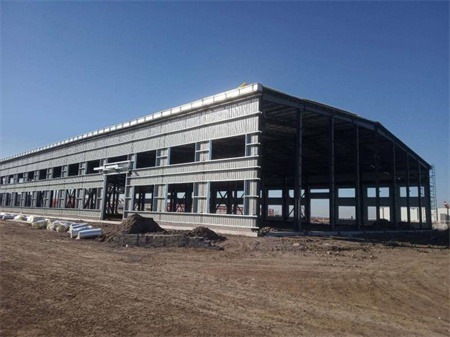
In the design and construction of a Steel Structure Factory Building , structural connections are the critical points where beams, columns, bracing systems, and column bases intersect and transfer loads. The quality of these connections directly determines the building's load-bearing capacity, seismic performance, structural ductility, and overall safety margin. Well-designed connections optimize load transfer paths, improve structural resilience, and help prevent common issues such as localized cracking and component failure. Conversely, inadequate connection design or poor installation quality can significantly shorten the service life of the facility and increase long-term maintenance costs. Therefore, optimizing connection design and detailing is one of the most effective ways to improve the overall quality and reliability of a Steel Structure Factory Building .
 1
1
HB Steel Structure has extensive experience in the engineering design, connection detailing, and fabrication of industrial steel structures. Familiar with industrial building standards across international markets, our experienced engineering team and standardized quality control system enable us to provide comprehensive services covering structural design, connection detailing, component manufacturing, and project delivery. This article outlines five practical strategies for improving connection quality in a Steel Structure Factory Building .
I. Select the Appropriate Connection Type for Different Structural Requirements
The primary connection methods used in modern Steel Structure Factory Building s include welded connections, bolted connections, and combined bolted-welded connections. The most appropriate solution should be selected according to the structural demands and scale of the project.
For heavy industrial facilities, beam-to-column connections typically benefit from a hybrid approach that combines welded beam flanges with high-strength bolted beam webs. This configuration enhances connection ductility and rotational capacity under structural loading.
For lightweight steel buildings, fully bolted connections are often the preferred solution. They simplify on-site assembly, shorten construction schedules, minimize the risk of welding-related defects, and make quality control more consistent throughout the installation process.
II. Optimize Connection Details to Reduce Stress Concentration
Structural connections are particularly susceptible to stress concentration and therefore represent some of the most critical locations in a Steel Structure Factory Building .
Stress concentrations can be effectively reduced by incorporating transverse and longitudinal stiffeners, increasing the thickness of column panels, or adding dedicated load-transfer plates to improve force distribution throughout the connection.
For buildings requiring enhanced seismic performance, advanced connection details such as Reduced Beam Section (RBS), commonly referred to as "dogbone" connections, or other reduced-strength connection configurations may be adopted. These solutions intentionally relocate plastic hinge formation away from critical connection zones, providing greater protection for the primary structural members and improving the building's overall seismic resilience.
III. Maintain Strict Welding Standards and Comprehensive Quality Inspection
The quality of welded connections has a direct impact on fatigue resistance and long-term structural reliability.
During fabrication, strict control should be maintained over groove preparation, preheating temperatures, interpass temperatures, and multi-pass welding procedures to ensure consistent weld quality.
After welding is completed, all critical welds should undergo non-destructive testing, including ultrasonic testing (UT) and magnetic particle testing (MT), to identify defects such as cracks, porosity, or incomplete fusion. Any deficiencies should be repaired before installation proceeds.
For high-strength bolted connections, bolts should be tightened using calibrated torque wrenches in accordance with design specifications, and slip resistance testing should be conducted where required to verify connection performance.
IV. Optimize Connection Stiffness for Balanced Structural Behavior
Rigid, semi-rigid, and pinned connections each exhibit different stiffness characteristics and deformation capacities. Selecting the appropriate connection type is essential for achieving balanced structural performance.
During the design stage, finite element analysis (FEA) can be used to evaluate connection stiffness, rotational capacity, and ultimate strength under combined loading conditions, including wind loads, crane loads, and seismic forces.
By matching connection stiffness to the actual service conditions of the facility, designers can ensure sufficient rotational capacity while minimizing structural fatigue caused by repeated loading cycles and reducing the risk of brittle failure.
V. Ensure Precision During Installation and Construction
Even the best connection design depends on precise execution during construction.
During installation, strict control should be maintained over the positioning accuracy of anchor bolts to ensure proper alignment of structural members and full contact between beam and column end plates.
For multi-story Steel Structure Factory Building s, high-strength bolts should be tightened according to the specified sequence, typically progressing from the center outward during final tightening. This method helps maintain the required bolt pretension and ensures consistent connection performance throughout the structure.
Standardized installation procedures and rigorous construction management play a vital role in eliminating assembly errors and ensuring that every structural connection performs as intended.
Comprehensive Connection Optimization for Safer Industrial Buildings
In summary, improving connection performance requires a comprehensive approach that includes selecting appropriate connection methods, refining structural detailing, maintaining strict fabrication quality control, optimizing connection stiffness, and ensuring precision during installation.
A systematic approach to connection design and construction can significantly improve the load-bearing capacity, seismic performance, and long-term durability of a Steel Structure Factory Building , while reducing lifecycle maintenance costs.
HB Steel Structure provides professional services in complex connection detailing, structural optimization, and customized steel component fabrication. Leveraging extensive engineering experience and advanced manufacturing capabilities, we deliver integrated steel structure solutions that offer exceptional safety, reliability, and project-specific adaptability for industrial construction projects around the world.
1HB Steel Structure has extensive experience in the engineering design, connection detailing, and fabrication of industrial steel structures. Familiar with industrial building standards across international markets, our experienced engineering team and standardized quality control system enable us to provide comprehensive services covering structural design, connection detailing, component manufacturing, and project delivery. This article outlines five practical strategies for improving connection quality in a Steel Structure Factory Building .
I. Select the Appropriate Connection Type for Different Structural Requirements
The primary connection methods used in modern Steel Structure Factory Building s include welded connections, bolted connections, and combined bolted-welded connections. The most appropriate solution should be selected according to the structural demands and scale of the project.
For heavy industrial facilities, beam-to-column connections typically benefit from a hybrid approach that combines welded beam flanges with high-strength bolted beam webs. This configuration enhances connection ductility and rotational capacity under structural loading.
For lightweight steel buildings, fully bolted connections are often the preferred solution. They simplify on-site assembly, shorten construction schedules, minimize the risk of welding-related defects, and make quality control more consistent throughout the installation process.
II. Optimize Connection Details to Reduce Stress Concentration
Structural connections are particularly susceptible to stress concentration and therefore represent some of the most critical locations in a Steel Structure Factory Building .
Stress concentrations can be effectively reduced by incorporating transverse and longitudinal stiffeners, increasing the thickness of column panels, or adding dedicated load-transfer plates to improve force distribution throughout the connection.
For buildings requiring enhanced seismic performance, advanced connection details such as Reduced Beam Section (RBS), commonly referred to as "dogbone" connections, or other reduced-strength connection configurations may be adopted. These solutions intentionally relocate plastic hinge formation away from critical connection zones, providing greater protection for the primary structural members and improving the building's overall seismic resilience.
III. Maintain Strict Welding Standards and Comprehensive Quality Inspection
The quality of welded connections has a direct impact on fatigue resistance and long-term structural reliability.
During fabrication, strict control should be maintained over groove preparation, preheating temperatures, interpass temperatures, and multi-pass welding procedures to ensure consistent weld quality.
After welding is completed, all critical welds should undergo non-destructive testing, including ultrasonic testing (UT) and magnetic particle testing (MT), to identify defects such as cracks, porosity, or incomplete fusion. Any deficiencies should be repaired before installation proceeds.
For high-strength bolted connections, bolts should be tightened using calibrated torque wrenches in accordance with design specifications, and slip resistance testing should be conducted where required to verify connection performance.
IV. Optimize Connection Stiffness for Balanced Structural Behavior
Rigid, semi-rigid, and pinned connections each exhibit different stiffness characteristics and deformation capacities. Selecting the appropriate connection type is essential for achieving balanced structural performance.
During the design stage, finite element analysis (FEA) can be used to evaluate connection stiffness, rotational capacity, and ultimate strength under combined loading conditions, including wind loads, crane loads, and seismic forces.
By matching connection stiffness to the actual service conditions of the facility, designers can ensure sufficient rotational capacity while minimizing structural fatigue caused by repeated loading cycles and reducing the risk of brittle failure.
V. Ensure Precision During Installation and Construction
Even the best connection design depends on precise execution during construction.
During installation, strict control should be maintained over the positioning accuracy of anchor bolts to ensure proper alignment of structural members and full contact between beam and column end plates.
For multi-story Steel Structure Factory Building s, high-strength bolts should be tightened according to the specified sequence, typically progressing from the center outward during final tightening. This method helps maintain the required bolt pretension and ensures consistent connection performance throughout the structure.
Standardized installation procedures and rigorous construction management play a vital role in eliminating assembly errors and ensuring that every structural connection performs as intended.
Comprehensive Connection Optimization for Safer Industrial Buildings
In summary, improving connection performance requires a comprehensive approach that includes selecting appropriate connection methods, refining structural detailing, maintaining strict fabrication quality control, optimizing connection stiffness, and ensuring precision during installation.
A systematic approach to connection design and construction can significantly improve the load-bearing capacity, seismic performance, and long-term durability of a Steel Structure Factory Building , while reducing lifecycle maintenance costs.
HB Steel Structure provides professional services in complex connection detailing, structural optimization, and customized steel component fabrication. Leveraging extensive engineering experience and advanced manufacturing capabilities, we deliver integrated steel structure solutions that offer exceptional safety, reliability, and project-specific adaptability for industrial construction projects around the world.
Related News
- Building a Strong Foundation for Steel Structure Manufacturing Plant Development
- Steel Structure Concert Hall: Long-Term Construction Advantages for Premium Performing Arts Venues
- Waterproof System for Steel Structure Buildings: Building a Durable Defense Against Water Damage
- Steel Structure Factory Building Column Base Design: Building a Strong Foundation for Industrial Structures
- Steel Structure Office Building: An Adaptable Solution for Modern Commercial Architecture
- Four Core Systems That Drive the Industrialization of Steel Structure Residential Buildings


Leave me a message