 English
-
English
-
 Español
-
 Português
-
 Русский
-
 Français
-
 日本語
日本語
-
 Deutsch
-
 Tiếng Việt
-
 Italiano
-
 Nederlands
-
 ไทย
ไทย
-
 Polski
-
 한국어
한국어
-
 Svenska
-
 Magyar
-
 Bahasa Melayu
-
 বাংলা
বাংলা
-
 Dansk
Dansk
-
 Suomi
Suomi
-
 हिन्दी
-
 Filipino
-
 Türkçe
-
 Gaeilge
-
 العربية
-
 Bahasa Indonesia
-
 Norsk
Norsk
-
 اردو
اردو
-
 Čeština
-
 Ελληνικά
-
 Українська
-
 Basa Jawa
-
 فارسی
فارسی
-
 தமிழ்
தமிழ்
-
 తెలుగు
-
 नेपाली
-
 မြန်မာ
-
 Български
-
 ລາວ
ລາວ
-
 Latina
-
 Қазақша
-
 Euskera
-
 Azərbaycan
-
 Slovenčina
-
 Македонски
-
 Lietuvių
-
 Eesti
Eesti
-
 Română
-
 Slovenščina

Common problems and solutions in steel structure alignment correction
As a structural steel engineer with 30 years of experience and involvement in over a hundred projects—including the Shaanxi History Museum, Provincial Party School Tennis Hall, Xihang Group Plant 306 Workshop, Geely Supporting Industrial Park, Longi B2 Assembly Workshop, and China Resources Vanguard supermarkets—I have come to deeply understand that the success of steel structure installation largely depends on the precision of the alignment and correction process.Primary steel structures are composed of steel columns, steel beams, crane girders, and other components connected by welding, bolts, or rivets. They are widely used in industrial plants, stadiums, and high-rise buildings. Below, I would like to share six common alignment issues encountered on-site and the solutions we have validated through long-term practice.
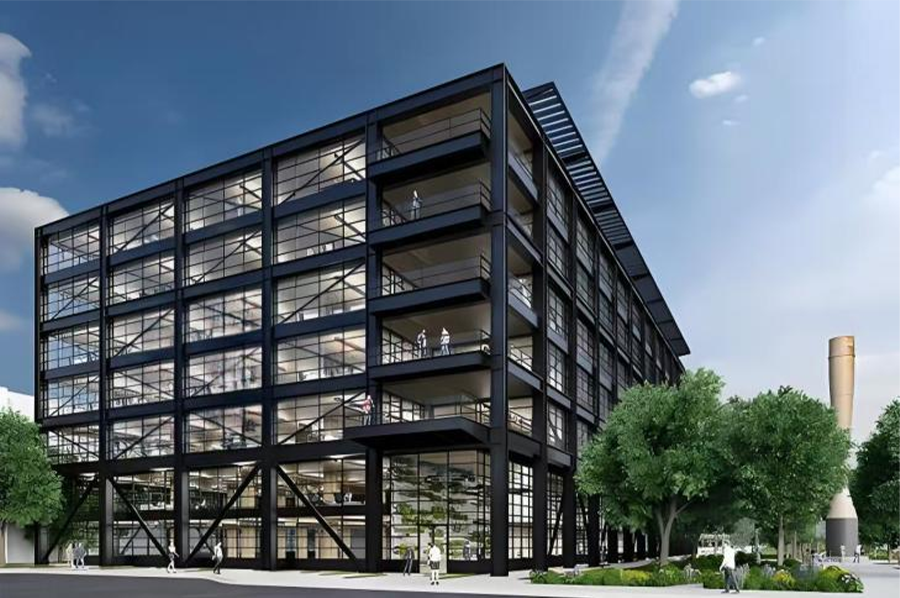
1. Insufficient straightness of steel columns
Cause: Poor quality control during factory fabrication.
5. Plumbness checked with a theodolite in only one direction and uncalibrated instruments used
Cause: Improper operation and lack of instrument calibration.
- Building a Strong Foundation for Steel Structure Manufacturing Plant Development
- Steel Structure Concert Hall: Long-Term Construction Advantages for Premium Performing Arts Venues
- Waterproof System for Steel Structure Buildings: Building a Durable Defense Against Water Damage
- Steel Structure Factory Building Column Base Design: Building a Strong Foundation for Industrial Structures
- Steel Structure Office Building: An Adaptable Solution for Modern Commercial Architecture
- Four Core Systems That Drive the Industrialization of Steel Structure Residential Buildings