
 English
-
English
-
 Español
-
 Português
-
 Русский
-
 Français
-
 日本語
日本語
-
 Deutsch
-
 Tiếng Việt
-
 Italiano
-
 Nederlands
-
 ไทย
ไทย
-
 Polski
-
 한국어
한국어
-
 Svenska
-
 Magyar
-
 Bahasa Melayu
-
 বাংলা
বাংলা
-
 Dansk
Dansk
-
 Suomi
Suomi
-
 हिन्दी
-
 Filipino
-
 Türkçe
-
 Gaeilge
-
 العربية
-
 Bahasa Indonesia
-
 Norsk
Norsk
-
 اردو
اردو
-
 Čeština
-
 Ελληνικά
-
 Українська
-
 Basa Jawa
-
 فارسی
فارسی
-
 தமிழ்
தமிழ்
-
 తెలుగు
-
 नेपाली
-
 မြန်မာ
-
 Български
-
 ລາວ
ລາວ
-
 Latina
-
 Қазақша
-
 Euskera
-
 Azərbaycan
-
 Slovenčina
-
 Македонски
-
 Lietuvių
-
 Eesti
Eesti
-
 Română
-
 Slovenščina

General Requirements for Steel Member Splicing
In modern steel structure construction, Steel Member splicing is a critical process in the fabrication and installation of primary structural components such as beams, columns, and trusses. Due to transportation limitations, component dimensions, and structural design requirements, it is often impractical to manufacture and transport structural members as single units. As a result, standardized and properly executed splicing procedures are essential for ensuring structural continuity, load-bearing performance, safety, and long-term durability.
Drawing on internationally recognized steel construction standards and extensive project experience in both domestic and overseas markets, HB Steel Structure has summarized the general technical requirements for Steel Member splicing from five key perspectives: splice location selection, equal-strength design, connection method selection, dimensional accuracy control, and inspection and acceptance procedures. These guidelines provide a practical reference for standardized steel structure construction projects.
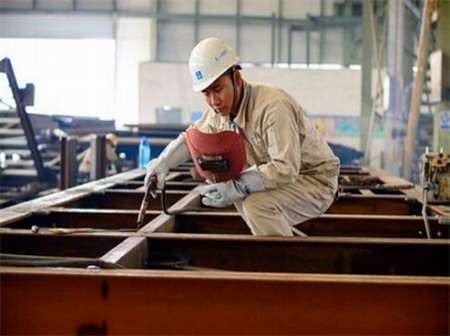
I. Proper Selection of Splice Locations to Avoid Structurally Critical Areas
Splice joints should be positioned in areas where internal forces are relatively low, avoiding regions subjected to high bending moments, maximum stress concentrations, or potential plastic hinge formation. Proper splice location selection helps maintain structural continuity and overall load-bearing performance.
The number of splices occurring within the same cross-section should be minimized to prevent excessive reductions in section capacity. For welded I-shaped Steel Member s, flange splice welds and web splice welds should be staggered whenever possible, with a minimum offset distance of 200 mm between adjacent welds.
This arrangement reduces stress concentration effects, minimizes the risk of brittle fracture, and enhances the overall structural reliability of the connection.
II. Equal-Strength Design Principles for Reliable Structural Performance
All splice connections should be designed in accordance with the equal-strength principle, ensuring that the load-carrying capacity of the splice is not lower than that of the connected base material. Under no circumstances should the splice become the weakest point in the structural system.
For critical welded connections, complete joint penetration (CJP) groove welds should be utilized. Weld quality should meet at least the requirements of internationally recognized quality standards equivalent to Level II structural welds, ensuring that the mechanical properties of the weld match those of the parent material.
For high-strength bolted splices, connection plate dimensions and bolt quantities should be determined through detailed structural calculations to ensure adequate load transfer and connection reliability. Axially loaded members should generally be designed for full-strength connections, while flexural members may be optimized according to actual force demands, provided that sufficient safety margins are maintained for complex loading conditions.
III. Selection of Appropriate Splicing Methods for Fabrication and Site Installation
Steel Member splicing can generally be divided into two categories: shop splicing and field splicing. The appropriate connection method should be selected according to project requirements and construction conditions.
Shop splicing is performed under controlled manufacturing conditions with comprehensive quality management systems and typically relies on welded connections for efficient prefabrication and production.
Field splicing may utilize either welding, bolting, or a combination of both methods depending on the structural application. High-rise steel columns often employ welded or hybrid welded-bolted connections to maximize structural stiffness and continuity. For steel beams, high-strength bolted connections are generally preferred because they allow for easier alignment adjustments and improved installation efficiency.
For bolted connections, friction surfaces must be prepared in accordance with applicable specifications, and slip-resistance testing should be conducted as required to verify connection performance.
IV. Strict Dimensional Control and Construction Tolerance Management
Before splicing operations begin, the flatness and dimensional accuracy of member ends should be carefully inspected. Misalignment between flanges and webs must remain within the allowable tolerances specified by applicable standards.
Weld preparation details, including groove angles, root faces, and other welding parameters, should strictly follow approved welding procedure specifications (WPS) and procedure qualification records (PQR).
Bolt hole groups should be produced using CNC drilling or template-guided drilling methods to ensure dimensional accuracy. Flame-cut enlargement of bolt holes on site should be strictly prohibited, as it may result in misalignment and eccentric force transfer within the connection.
Upon completion of the splice assembly, critical dimensions such as overall member length, straightness, and curvature should be verified through precise measurement. Components exceeding allowable tolerances should be repaired or rejected as necessary to eliminate potential quality risks.
V. Comprehensive Inspection and Acceptance Procedures for Quality Assurance
Steel Member splicing operations should be supported by a complete inspection and acceptance program throughout the entire construction process.
All primary structural welds must undergo visual inspection upon completion. For critical load-bearing connections, non-destructive testing (NDT) should be performed in accordance with applicable standards and specified sampling requirements to detect potential internal weld defects.
Following installation of high-strength bolts, random inspections should be conducted to verify final tightening torque or pretension values and ensure compliance with project specifications.
Comprehensive project documentation should be maintained throughout construction, including material certificates, welding procedure qualifications, inspection reports, test records, and construction logs. These records establish a standardized and fully traceable quality management system capable of meeting both international project acceptance requirements and long-term maintenance needs.
Standardized Process Control Supports Long-Term Project Quality
Effective management of Steel Member splicing is one of the most important aspects of quality control in steel structure construction. Strict implementation of standardized splicing requirements throughout the entire construction process helps ensure reliable connection performance, structural integrity, and long-term durability.
Looking ahead, HB Steel Structure will continue to align its practices with international construction standards while continuously improving splicing technologies and quality management systems. Through refined construction methods, standardized procedures, and professional engineering expertise, we remain committed to supporting the successful delivery of high-quality steel structure projects around the world.
Drawing on internationally recognized steel construction standards and extensive project experience in both domestic and overseas markets, HB Steel Structure has summarized the general technical requirements for Steel Member splicing from five key perspectives: splice location selection, equal-strength design, connection method selection, dimensional accuracy control, and inspection and acceptance procedures. These guidelines provide a practical reference for standardized steel structure construction projects.
I. Proper Selection of Splice Locations to Avoid Structurally Critical Areas
Splice joints should be positioned in areas where internal forces are relatively low, avoiding regions subjected to high bending moments, maximum stress concentrations, or potential plastic hinge formation. Proper splice location selection helps maintain structural continuity and overall load-bearing performance.
The number of splices occurring within the same cross-section should be minimized to prevent excessive reductions in section capacity. For welded I-shaped Steel Member s, flange splice welds and web splice welds should be staggered whenever possible, with a minimum offset distance of 200 mm between adjacent welds.
This arrangement reduces stress concentration effects, minimizes the risk of brittle fracture, and enhances the overall structural reliability of the connection.
II. Equal-Strength Design Principles for Reliable Structural Performance
All splice connections should be designed in accordance with the equal-strength principle, ensuring that the load-carrying capacity of the splice is not lower than that of the connected base material. Under no circumstances should the splice become the weakest point in the structural system.
For critical welded connections, complete joint penetration (CJP) groove welds should be utilized. Weld quality should meet at least the requirements of internationally recognized quality standards equivalent to Level II structural welds, ensuring that the mechanical properties of the weld match those of the parent material.
For high-strength bolted splices, connection plate dimensions and bolt quantities should be determined through detailed structural calculations to ensure adequate load transfer and connection reliability. Axially loaded members should generally be designed for full-strength connections, while flexural members may be optimized according to actual force demands, provided that sufficient safety margins are maintained for complex loading conditions.
III. Selection of Appropriate Splicing Methods for Fabrication and Site Installation
Steel Member splicing can generally be divided into two categories: shop splicing and field splicing. The appropriate connection method should be selected according to project requirements and construction conditions.
Shop splicing is performed under controlled manufacturing conditions with comprehensive quality management systems and typically relies on welded connections for efficient prefabrication and production.
Field splicing may utilize either welding, bolting, or a combination of both methods depending on the structural application. High-rise steel columns often employ welded or hybrid welded-bolted connections to maximize structural stiffness and continuity. For steel beams, high-strength bolted connections are generally preferred because they allow for easier alignment adjustments and improved installation efficiency.
For bolted connections, friction surfaces must be prepared in accordance with applicable specifications, and slip-resistance testing should be conducted as required to verify connection performance.
IV. Strict Dimensional Control and Construction Tolerance Management
Before splicing operations begin, the flatness and dimensional accuracy of member ends should be carefully inspected. Misalignment between flanges and webs must remain within the allowable tolerances specified by applicable standards.
Weld preparation details, including groove angles, root faces, and other welding parameters, should strictly follow approved welding procedure specifications (WPS) and procedure qualification records (PQR).
Bolt hole groups should be produced using CNC drilling or template-guided drilling methods to ensure dimensional accuracy. Flame-cut enlargement of bolt holes on site should be strictly prohibited, as it may result in misalignment and eccentric force transfer within the connection.
Upon completion of the splice assembly, critical dimensions such as overall member length, straightness, and curvature should be verified through precise measurement. Components exceeding allowable tolerances should be repaired or rejected as necessary to eliminate potential quality risks.
V. Comprehensive Inspection and Acceptance Procedures for Quality Assurance
Steel Member splicing operations should be supported by a complete inspection and acceptance program throughout the entire construction process.
All primary structural welds must undergo visual inspection upon completion. For critical load-bearing connections, non-destructive testing (NDT) should be performed in accordance with applicable standards and specified sampling requirements to detect potential internal weld defects.
Following installation of high-strength bolts, random inspections should be conducted to verify final tightening torque or pretension values and ensure compliance with project specifications.
Comprehensive project documentation should be maintained throughout construction, including material certificates, welding procedure qualifications, inspection reports, test records, and construction logs. These records establish a standardized and fully traceable quality management system capable of meeting both international project acceptance requirements and long-term maintenance needs.
Standardized Process Control Supports Long-Term Project Quality
Effective management of Steel Member splicing is one of the most important aspects of quality control in steel structure construction. Strict implementation of standardized splicing requirements throughout the entire construction process helps ensure reliable connection performance, structural integrity, and long-term durability.
Looking ahead, HB Steel Structure will continue to align its practices with international construction standards while continuously improving splicing technologies and quality management systems. Through refined construction methods, standardized procedures, and professional engineering expertise, we remain committed to supporting the successful delivery of high-quality steel structure projects around the world.
Related News
- Building a Strong Foundation for Steel Structure Manufacturing Plant Development
- Steel Structure Concert Hall: Long-Term Construction Advantages for Premium Performing Arts Venues
- Waterproof System for Steel Structure Buildings: Building a Durable Defense Against Water Damage
- Steel Structure Factory Building Column Base Design: Building a Strong Foundation for Industrial Structures
- Steel Structure Office Building: An Adaptable Solution for Modern Commercial Architecture
- Four Core Systems That Drive the Industrialization of Steel Structure Residential Buildings



Leave me a message