
 English
-
English
-
 Español
-
 Português
-
 Русский
-
 Français
-
 日本語
日本語
-
 Deutsch
-
 Tiếng Việt
-
 Italiano
-
 Nederlands
-
 ไทย
ไทย
-
 Polski
-
 한국어
한국어
-
 Svenska
-
 Magyar
-
 Bahasa Melayu
-
 বাংলা
বাংলা
-
 Dansk
Dansk
-
 Suomi
Suomi
-
 हिन्दी
-
 Filipino
-
 Türkçe
-
 Gaeilge
-
 العربية
-
 Bahasa Indonesia
-
 Norsk
Norsk
-
 اردو
اردو
-
 Čeština
-
 Ελληνικά
-
 Українська
-
 Basa Jawa
-
 فارسی
فارسی
-
 தமிழ்
தமிழ்
-
 తెలుగు
-
 नेपाली
-
 မြန်မာ
-
 Български
-
 ລາວ
ລາວ
-
 Latina
-
 Қазақша
-
 Euskera
-
 Azərbaycan
-
 Slovenčina
-
 Македонски
-
 Lietuvių
-
 Eesti
Eesti
-
 Română
-
 Slovenščina

Core Assembly Principles for Precision Steel Member Fabrication
Within today's global industrialized steel construction industry, Steel Member assembly serves as the critical link between factory fabrication and on-site erection. It directly determines structural accuracy, load-bearing performance, and installation compatibility. Unlike conventional construction, steel assembly requires exceptional process control, dimensional precision, and standardized workmanship. Even minor deviations or overlooked procedures can result in misaligned installations, uneven load distribution, and structural tolerances exceeding allowable limits. Drawing upon internationally recognized steel construction practices and the stringent quality requirements of overseas projects, HB Steel Structure has established a comprehensive assembly management system covering every stage—from pre-assembly preparation and layout positioning to assembly sequencing, tolerance control, and final inspection. This systematic approach ensures that steel columns, beams, trusses, and other structural members meet the highest quality standards for international steel construction projects.
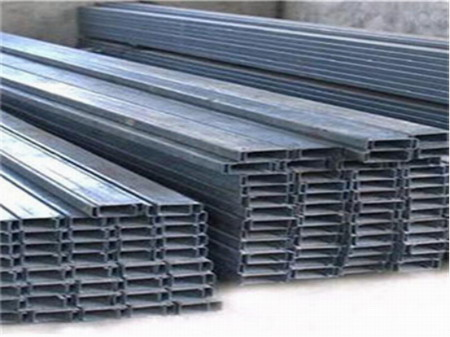
I. Comprehensive Pre-Assembly Preparation Establishes a Solid Quality Foundation
Proper preparation is the first step in preventing assembly defects and is fundamental to standardized steel construction worldwide. Before assembly begins, all materials and fabricated components must undergo thorough inspection and preparation.
Steel grades, dimensions, mechanical properties, and material specifications should be carefully verified against the approved engineering drawings to ensure that materials of different grades or standards are never mixed. This rigorous verification establishes quality control at the source.
All contact surfaces must be thoroughly cleaned to remove oil, mill scale, oxidation, cutting burrs, and other contaminants, creating smooth and clean interfaces for subsequent welding or bolted connections.
For primary load-bearing components such as columns and beams, critical parameters—including overall length, straightness, and twisting—must be inspected in advance. Any member exceeding the allowable fabrication tolerances should be accurately corrected before entering the assembly process, ensuring that only qualified components proceed to fabrication.
II. Accurate Layout and Positioning Ensure Assembly Precision
The assembly of Steel Member components should always be carried out using dedicated assembly equipment. All fabrication work must be performed on standardized assembly platforms or purpose-built jigs rather than through unsupported or improvised assembly methods.
Following the detailed fabrication drawings, reference lines, centerlines, and end positioning lines should be precisely measured and marked to establish the exact coordinates and relative positions of every component. This ensures proper alignment throughout the assembly process.
Assembly jigs must provide sufficient structural rigidity and load-bearing capacity. Their supporting surfaces should be accurately leveled before production begins, with dimensional deviations maintained within internationally accepted tolerances.
For complex assemblies such as roof trusses and irregular structural frameworks, customized positioning templates, end stops, and locating fixtures can be incorporated to standardize connection locations, eliminate cumulative positioning errors during batch production, and ensure consistent fabrication quality across all components.
III. Logical Assembly Sequencing and Proper Temporary Fixation
The assembly of Steel Member components follows the engineering principle of "primary before secondary, overall framework before local details."
Primary structural elements—including main beams and primary steel columns—should be assembled first to establish a stable structural framework. Secondary beams, bracing members, connection plates, and other auxiliary components are then installed sequentially to progressively complete the structural load path.
Temporary fixation is preferably achieved through tack welding. The length, spacing, and quality of tack welds must be carefully controlled to provide sufficient temporary restraint while preventing movement or displacement during assembly.
Equally important, unauthorized welding within critical load-bearing regions must be strictly prohibited. Excessive or improperly placed welds can create localized stress concentrations and adversely affect the mechanical performance of the parent material, compromising the quality of subsequent permanent welding or bolted connections.
IV. Continuous Dimensional Control Throughout the Assembly Process
Dimensional accuracy represents one of the most critical quality control objectives during Steel Member assembly and must be continuously monitored throughout production.
Key geometric parameters—including overall member length, section depth, section width, diagonal measurements, and overall straightness—should be regularly inspected during assembly to verify compliance with project specifications.
Considering the predictable shrinkage associated with welding, appropriate shrinkage allowances should be incorporated during cutting and assembly to compensate for deformation after welding, thereby ensuring final dimensional accuracy.
For members utilizing high-strength bolted connections, particular attention must be paid to bolt hole group positioning, hole spacing, and hole diameter tolerances. Precise fabrication prevents alignment problems during field installation and ensures reliable structural connections while improving overall erection efficiency.
V. Final Inspection and Standardized Identification Enable Full Traceability
After each Steel Member assembly is completed, a comprehensive final inspection should be performed to verify both appearance and dimensional accuracy.
Critical fabrication details—including groove dimensions, root face thickness, joint gaps, and edge alignment—should be carefully examined to ensure full compliance with engineering specifications and fabrication standards while eliminating even minor defects.
Once self-inspection and quality verification have been successfully completed, every component should receive standardized identification markings in clearly visible locations. These markings should include the member identification number, corresponding grid location, and component weight.
Standardized identification not only improves factory inventory management but also provides accurate guidance during transportation, lifting, field assembly, and installation. This complete traceability system enables efficient management throughout fabrication, assembly, and construction while significantly improving overall project efficiency and standardization.
Adhering to Rigorous Fabrication Standards for Superior Steel Structure Quality
Steel Member assembly is one of the most critical stages in quality management for steel structure construction. Standardized and precision-controlled assembly procedures provide the essential foundation for structural safety, fabrication accuracy, and reduced installation risks.
HB Steel Structure has consistently adhered to internationally recognized steel construction standards by implementing systematic assembly procedures, rigorous dimensional control, and standardized production practices throughout every stage of fabrication. This disciplined approach minimizes assembly deviations and structural risks before components reach the construction site.
Looking ahead, HB Steel Structure will continue refining its fabrication and assembly technologies while strengthening its end-to-end quality management system. Through increasingly sophisticated manufacturing standards, the company remains committed to providing reliable Steel Member solutions for steel construction projects worldwide and advancing the industry's standards of quality, precision, and professionalism.
I. Comprehensive Pre-Assembly Preparation Establishes a Solid Quality Foundation
Proper preparation is the first step in preventing assembly defects and is fundamental to standardized steel construction worldwide. Before assembly begins, all materials and fabricated components must undergo thorough inspection and preparation.
Steel grades, dimensions, mechanical properties, and material specifications should be carefully verified against the approved engineering drawings to ensure that materials of different grades or standards are never mixed. This rigorous verification establishes quality control at the source.
All contact surfaces must be thoroughly cleaned to remove oil, mill scale, oxidation, cutting burrs, and other contaminants, creating smooth and clean interfaces for subsequent welding or bolted connections.
For primary load-bearing components such as columns and beams, critical parameters—including overall length, straightness, and twisting—must be inspected in advance. Any member exceeding the allowable fabrication tolerances should be accurately corrected before entering the assembly process, ensuring that only qualified components proceed to fabrication.
II. Accurate Layout and Positioning Ensure Assembly Precision
The assembly of Steel Member components should always be carried out using dedicated assembly equipment. All fabrication work must be performed on standardized assembly platforms or purpose-built jigs rather than through unsupported or improvised assembly methods.
Following the detailed fabrication drawings, reference lines, centerlines, and end positioning lines should be precisely measured and marked to establish the exact coordinates and relative positions of every component. This ensures proper alignment throughout the assembly process.
Assembly jigs must provide sufficient structural rigidity and load-bearing capacity. Their supporting surfaces should be accurately leveled before production begins, with dimensional deviations maintained within internationally accepted tolerances.
For complex assemblies such as roof trusses and irregular structural frameworks, customized positioning templates, end stops, and locating fixtures can be incorporated to standardize connection locations, eliminate cumulative positioning errors during batch production, and ensure consistent fabrication quality across all components.
III. Logical Assembly Sequencing and Proper Temporary Fixation
The assembly of Steel Member components follows the engineering principle of "primary before secondary, overall framework before local details."
Primary structural elements—including main beams and primary steel columns—should be assembled first to establish a stable structural framework. Secondary beams, bracing members, connection plates, and other auxiliary components are then installed sequentially to progressively complete the structural load path.
Temporary fixation is preferably achieved through tack welding. The length, spacing, and quality of tack welds must be carefully controlled to provide sufficient temporary restraint while preventing movement or displacement during assembly.
Equally important, unauthorized welding within critical load-bearing regions must be strictly prohibited. Excessive or improperly placed welds can create localized stress concentrations and adversely affect the mechanical performance of the parent material, compromising the quality of subsequent permanent welding or bolted connections.
IV. Continuous Dimensional Control Throughout the Assembly Process
Dimensional accuracy represents one of the most critical quality control objectives during Steel Member assembly and must be continuously monitored throughout production.
Key geometric parameters—including overall member length, section depth, section width, diagonal measurements, and overall straightness—should be regularly inspected during assembly to verify compliance with project specifications.
Considering the predictable shrinkage associated with welding, appropriate shrinkage allowances should be incorporated during cutting and assembly to compensate for deformation after welding, thereby ensuring final dimensional accuracy.
For members utilizing high-strength bolted connections, particular attention must be paid to bolt hole group positioning, hole spacing, and hole diameter tolerances. Precise fabrication prevents alignment problems during field installation and ensures reliable structural connections while improving overall erection efficiency.
V. Final Inspection and Standardized Identification Enable Full Traceability
After each Steel Member assembly is completed, a comprehensive final inspection should be performed to verify both appearance and dimensional accuracy.
Critical fabrication details—including groove dimensions, root face thickness, joint gaps, and edge alignment—should be carefully examined to ensure full compliance with engineering specifications and fabrication standards while eliminating even minor defects.
Once self-inspection and quality verification have been successfully completed, every component should receive standardized identification markings in clearly visible locations. These markings should include the member identification number, corresponding grid location, and component weight.
Standardized identification not only improves factory inventory management but also provides accurate guidance during transportation, lifting, field assembly, and installation. This complete traceability system enables efficient management throughout fabrication, assembly, and construction while significantly improving overall project efficiency and standardization.
Adhering to Rigorous Fabrication Standards for Superior Steel Structure Quality
Steel Member assembly is one of the most critical stages in quality management for steel structure construction. Standardized and precision-controlled assembly procedures provide the essential foundation for structural safety, fabrication accuracy, and reduced installation risks.
HB Steel Structure has consistently adhered to internationally recognized steel construction standards by implementing systematic assembly procedures, rigorous dimensional control, and standardized production practices throughout every stage of fabrication. This disciplined approach minimizes assembly deviations and structural risks before components reach the construction site.
Looking ahead, HB Steel Structure will continue refining its fabrication and assembly technologies while strengthening its end-to-end quality management system. Through increasingly sophisticated manufacturing standards, the company remains committed to providing reliable Steel Member solutions for steel construction projects worldwide and advancing the industry's standards of quality, precision, and professionalism.
Related News
- Building a Strong Foundation for Steel Structure Manufacturing Plant Development
- Steel Structure Concert Hall: Long-Term Construction Advantages for Premium Performing Arts Venues
- Waterproof System for Steel Structure Buildings: Building a Durable Defense Against Water Damage
- Steel Structure Factory Building Column Base Design: Building a Strong Foundation for Industrial Structures
- Steel Structure Office Building: An Adaptable Solution for Modern Commercial Architecture
- Four Core Systems That Drive the Industrialization of Steel Structure Residential Buildings



Leave me a message